Flying to Robinson Crusoe Island is not like taking an ordinary domestic flight in Chile. This remote island in the Juan Fernández Archipelago sits far out in the Pacific, and reaching it requires more preparation than most travelers expect. Flights are limited, planes are small, weather can disrupt schedules, and even after landing, you still need to continue by boat to the main town. That is exactly why careful preparation matters.
The good news is that the trip is absolutely possible if you plan intelligently. Robinson Crusoe Island rewards travelers with rare wildlife, rugged volcanic scenery, quiet trails, rich maritime history, and an atmosphere of real isolation that is increasingly hard to find in modern travel. But the island is not forgiving of poor planning, so your experience will be much better if you understand the logistics before you board the plane.
Book earlier than usual
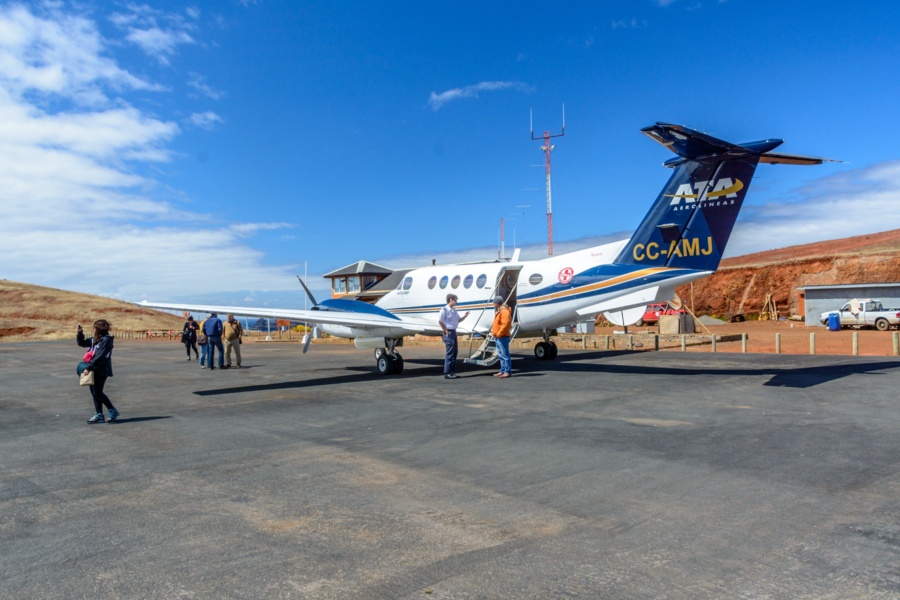
One of the most important travel tips is to book your flight far earlier than you would for a normal trip. Lonely Planet says the island is reached on a small eight-seat twinjet from Santiago, with Aerocardal and Aerolíneas ATA operating the only commercial flights, while Aerolassa offers charters. Because seat capacity is tiny, availability can disappear quickly, especially in the main travel season.
This means last-minute planning is risky. If you wait too long, you may find that the few available seats are already gone, or that the dates left do not fit your itinerary. It is also wise to book accommodation at the same time as the flight, because transport and lodging are closely connected on such a small island.
For most travelers, the safest approach is to decide your dates well in advance and treat the flight as the anchor of the whole trip. Build the rest of the itinerary around that reservation, not the other way around.
Expect a multi-step arrival
Another common mistake is assuming the flight lands near your hotel or the island’s main settlement. It does not. Chile Travel says the only air access is through Robinson Crusoe Aerodrome, with flights departing from Santiago and a boat journey afterward to reach San Juan Bautista. Lonely Planet also notes that the airstrip is separate from town and that most visitors continue with a boat ride of about 45 minutes after landing.
This matters because your arrival day will feel more like an expedition transfer than a simple airport pickup. You should pack in a way that makes the plane-to-boat transition easier, especially if the sea is choppy or weather conditions are not ideal. Soft luggage is often more practical than bulky hard-shell suitcases in this type of environment.
You should also confirm with your accommodation or transport provider how the transfer is handled. On a remote island, assumptions are dangerous, and it is better to know exactly who is receiving you, where, and when.
Pack light and smart
Packing is one of the most important parts of preparing for this flight. Lonely Planet says flights typically allow only 10 kg (22 lbs) of total luggage, which is a much tighter limit than most travelers are used to. That means you need to think carefully about every item you bring.
The best strategy is to pack for function, not variety. Layers are essential because island weather can change quickly, and Lonely Planet specifically recommends outdoor clothing, rain gear, and a windbreaker. Chile Travel also describes the best travel period as the warmer and drier months from November to March, but even then the island’s conditions can be unpredictable.
A smart packing list should include:
- Lightweight layered clothing.
- Waterproof jacket or rain shell.
- Windbreaker.
- Sturdy hiking shoes.
- Swimsuit.
- Hat and sunscreen.
- Small personal medication kit.
- Reusable water bottle.
- Dry bag or waterproof pouch for electronics and documents.
If you pack minimally and choose versatile clothing, you will avoid baggage stress and make the onward boat transfer easier as well.
Bring cash and basic essentials
Robinson Crusoe Island is not a place where you should assume modern payment convenience everywhere. Lonely Planet says there are no banks or ATMs on the island, and many establishments accept only cash or bank transfers. That makes cash planning one of the most practical pre-flight tasks.
Before leaving mainland Chile, withdraw enough Chilean pesos for meals, small purchases, tips, and any situation where card payment is not available. Even if some businesses can accept electronic payments, you do not want to depend on connectivity or card systems in a place this remote.
This is also why you should bring any personal essentials from the mainland rather than expecting to buy them easily after arrival. Lonely Planet notes that the island does not have a supermarket in the conventional sense, even though it has excellent seafood and local food options. Think ahead about toiletries, medication, chargers, and any item you would struggle without.
Build buffer days into your schedule
If there is one tip that can save you the most stress, it is this: do not create a tight schedule around your island flight. Robinson Crusoe is remote, weather-sensitive, and dependent on small-aircraft operations, which means delays and changes are part of the reality of travel there.
Strong winds are a known issue, and travel guidance highlights that flights can be delayed or canceled. If you are coming from another country or connecting onward after the island, never assume a same-day international connection is safe. Instead, leave at least one extra night in Santiago after returning from the island, and ideally another buffer before the outbound island flight as well.
These extra days may seem inconvenient when you first book, but they protect you from much bigger problems later. Missing a long-haul flight because of island weather is far more expensive and stressful than paying for one or two hotel nights in Santiago.
Prepare for outdoor-focused travel
Robinson Crusoe Island is best for travelers who enjoy nature, walking, and low-key adventure. Lonely Planet says that once in San Juan Bautista, visitors mostly get around on foot, though some hotels can arrange local rides to restaurants or trailheads. This means the island works best if you are prepared for a physically active trip.
You should not arrive expecting resort-style convenience. The appeal of the island lies in hiking, snorkeling, diving, viewpoints, endemic forests, and the feeling of being far from mainstream tourism. Some of the best half-day hikes, including Mirador de Selkirk and Plazoleta El Yunque, can be tackled from town, while longer routes may require a certified guide.
Because of that, your pre-flight preparation should include checking your footwear, thinking about sun and rain protection, and deciding whether you may want to book guided hikes or water activities in advance. The more aligned your gear is with the island’s terrain, the more enjoyable your trip will be.
Respect the island’s isolation
Remote destinations require a different attitude from travelers. Robinson Crusoe Island is not just hard to reach; it is also environmentally sensitive and logistically limited. That means good preparation is not only about your own convenience, but also about minimizing pressure on a fragile place.
A sensible traveler should carry a reusable water bottle, reduce single-use plastics, stay on marked trails, and avoid bringing unnecessary waste to the island. Packing thoughtfully also helps reduce load pressure on small flights and simplifies transport at every stage.
It is equally important to adjust your expectations. If Wi-Fi is slower, transport takes longer, or plans shift because of weather, that is not the island failing your trip. That is the nature of a genuinely remote destination. Travelers who embrace that reality usually have a much better experience.
Think beyond the flight itself
Preparing for the plane is only part of preparing for the journey. The smartest travelers think in terms of the full chain: Santiago arrival, island flight, boat transfer, accommodation check-in, local transport, cash needs, weather delays, and return timing.
That full-trip mindset also helps with budgeting. Lonely Planet notes that the flight is the most expensive part of visiting Robinson Crusoe Island, costing up to about CH$950,000, while on-island prices are more similar to mainland Chile. If you know that in advance, you can allocate your spending more rationally and avoid surprises.
In other words, the key to flying successfully to Robinson Crusoe Island is not just buying the ticket. It is understanding that the ticket opens the door to a remote travel system with its own rhythms and limitations.
Final advice before you fly
Before boarding your flight, make sure you have confirmed your reservation, checked luggage limits, organized enough Chilean pesos, packed for wind and rain, and left enough flexibility in your itinerary for possible disruption. Those steps may sound basic, but on a route this remote, basic preparation has an outsized effect on the success of your trip.
Robinson Crusoe Island is one of those rare places where the journey still feels meaningful. The small plane, the dramatic landing area, the boat transfer, and the limited infrastructure are not inconveniences to eliminate; they are part of what makes the island memorable. If you prepare well, travel light, and stay flexible, you will arrive ready to enjoy one of Chile’s most extraordinary destinations.