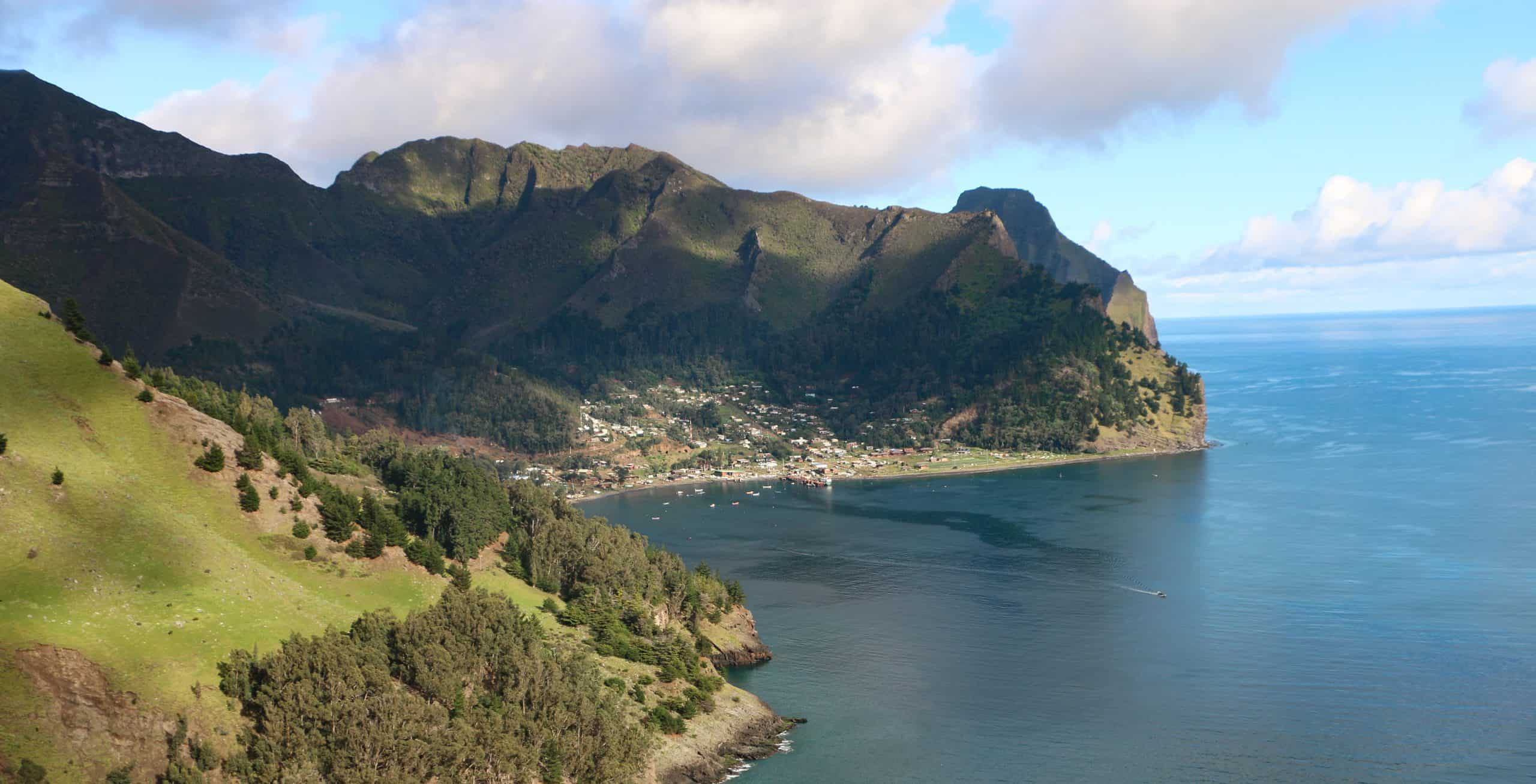
The Juan Fernández Archipelago is one of the most remote and fascinating destinations in Chile, sitting about 670 kilometers off the mainland in the Pacific Ocean. For travelers dreaming of volcanic landscapes, endemic wildlife, ocean adventures, and a place with true castaway mystique, getting there is part of the story. Unlike typical Chilean destinations connected by frequent flights and highways, Juan Fernández demands planning, patience, and flexibility because access is limited and weather can affect both planes and boats.
For most visitors, the key question is simple: what is the best way to get there from mainland Chile? The answer depends on your budget, schedule, tolerance for uncertainty, and the kind of experience you want. In practical terms, there are two main ways to reach the archipelago from the mainland: by air from Santiago or by sea from central Chilean ports such as Valparaíso or Algarrobo. Each option has clear advantages, and choosing the right one can shape your entire trip.
Flying from Santiago
For most travelers, flying is the best way to reach the Juan Fernández Archipelago because it is much faster and generally more efficient than sea travel. Official tourism sources say access by air is through Robinson Crusoe Aerodrome, with departures exclusively from Santiago, and the flight takes about 2 to 2.5 hours depending on the source.
This route is not served like a normal high-frequency domestic airline corridor. Instead, flights are operated by small specialized carriers, and Discover Juan Fernández says that three airlines operate the route in high season from Santiago. Travel information published by Chile’s tourism channels and related travel coverage also identifies Aerocardal, Aerolassa, and ATA among the companies connected with these flights.
The biggest advantage of flying is obvious: speed. In just a couple of hours, you can go from mainland Chile to one of the most isolated inhabited island environments in South America. That makes air travel the best choice for travelers with limited vacation time, photographers and divers working within short weather windows, and anyone who prefers minimizing time in transit.
What the flight includes
A common misunderstanding is that the flight lands directly beside the main town. In reality, after arriving at the aerodrome on Robinson Crusoe Island, travelers still need a boat transfer to reach San Juan Bautista, the main settlement and visitor base. Chile Travel says the boat ride takes about 90 minutes, while Discover Juan Fernández describes it as around an hour, so travelers should treat it as an additional leg that can vary with sea conditions.
This detail is important because the “best way” is not only about the plane itself but the full transport chain. You must coordinate the flight, arrival handling, boat transfer, and accommodation timing carefully. If weather turns rough, the transfer segment can affect arrival comfort and schedules even after your plane lands.
Another important point is seasonality. Discover Juan Fernández says the three-airline pattern applies in high season, and other travel sources recommend planning around the warmer months, especially from October or November through March. That means flight availability may be more limited outside peak travel periods, and early booking is especially important.
Traveling by sea
Sea travel is the second major option, and for some travelers it is the most memorable way to approach the archipelago. According to Chile Travel, visitors can arrive by sea on cargo ships departing from Valparaíso or Algarrobo, with the journey lasting between 2 and 3 days depending on sea conditions.
Discover Juan Fernández gives a similar estimate, saying the crossing lasts between 48 and 72 hours depending on the vessel and the weather. It also notes that during the voyage travelers may observe seabirds and cetaceans, and that transfers include breakfast, lunch, and dinner. That makes sea access not just transportation, but a travel experience in itself.
This option appeals to slow travelers, sailors, adventure seekers, and people who want a stronger sense of the archipelago’s remoteness. Reaching the islands by sea gives you the psychological transition that flying cannot provide. You leave the mainland behind gradually, watch the Pacific dominate the horizon, and truly feel the distance separating Juan Fernández from continental Chile.
Still, sea travel is not ideal for everyone. The crossing is long, departures are infrequent, and weather can delay sailings, which is why Discover Juan Fernández recommends booking in advance and building in extra time. If you are prone to seasickness or working on a tight itinerary, the boat may be a romantic idea but not the most practical one.
Which option is best?
For most international and domestic visitors, flying is the best overall choice because it offers the most time-efficient and predictable access to the archipelago. Even with the required boat transfer after landing, the total journey is still far shorter than spending two or three days at sea.
That said, “best” depends on traveler type. If your priority is convenience, shorter transit, and maximizing your days on the island, choose the flight from Santiago. If your priority is adventure, maritime scenery, and a slower expedition-style arrival, choose the sea route from Valparaíso or Algarrobo.
A useful way to think about it is this: flying is best for efficiency, while sailing is best for experience. Neither option is truly mass tourism. Both require planning ahead, accepting schedule changes, and respecting the realities of remote island logistics.
Practical comparison
Here is a simple way to compare the two main transport options from mainland Chile:
| Option | Departure point | Travel time | Main advantage | Main drawback |
|---|---|---|---|---|
| Flight + boat transfer | Santiago | About 2 to 2.5 hours by air, plus about 1 to 1.5 hours by boat | Fastest way to arrive | Limited seats and weather sensitivity |
| Cargo ship / sea transfer | Valparaíso or Algarrobo | 48 to 72 hours, sometimes 2 to 3 days | More immersive journey, possible wildlife viewing | Long crossing and higher delay risk |
This table makes clear why most visitors fly, but it also shows why sailing still has a strong niche appeal.
Best route for first-time visitors
If this is your first trip to the Juan Fernández Archipelago, the safest recommendation is to fly from Santiago and reserve extra time on both ends of your itinerary. Because flights are limited and remote routes can face weather disruptions, arriving in Santiago at least a day before departure is a smart move, and leaving a buffer before any international flight home is even smarter.
First-time visitors should also remember that most tourism activity is based around San Juan Bautista on Robinson Crusoe Island, which is the main inhabited hub in the archipelago. That means your transportation planning should center not only on reaching the aerodrome or harbor, but on syncing your arrival with lodging, local tours, and boat movements to town.
If you are aiming for the easiest possible trip, flying remains the strongest choice. It minimizes fatigue, simplifies logistics, and gives you more time for hiking, diving, wildlife viewing, and exploring the island’s heritage.
Tips before you go
No matter which option you choose, a few strategies will make the trip smoother:
- Book early, because both flights and sea spaces are limited and infrequent.
- Build extra time into your itinerary, since weather can delay flights, sailings, or local transfers.
- Pack for a remote destination, not a resort, because transport is multi-stage and island services are limited.
- Confirm what is included, especially meals, boat transfers, and baggage conditions.
- Travel in the warmer, drier part of the year if possible, as Chile Travel recommends November to March for visiting Robinson Crusoe Island.
One more practical point: the archipelago is not a place for rigid travel planning. The best travelers to Juan Fernández are the ones who leave room for nature, weather, and transport realities to shape the trip.
A smart way to decide
If you want the shortest and simplest route from mainland Chile, take the Santiago flight and prepare for the onward boat transfer to San Juan Bautista. If you want the journey itself to feel like an expedition, consider the maritime route from Valparaíso or Algarrobo and embrace the 48-to-72-hour crossing.
In the end, the best way to reach the Juan Fernández Archipelago is the one that matches your travel style. Most people should fly because it is faster and more practical, but the sea route remains a compelling alternative for those who value the voyage as much as the destination. Either way, reaching Juan Fernández from mainland Chile is not just transportation — it is the opening chapter of a rare Pacific adventure.