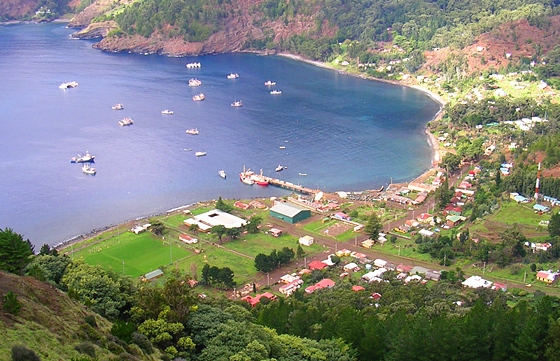
Flying to Robinson Crusoe Island is unlike booking an ordinary domestic route in Chile. Instead of browsing dozens of daily departures on major flight aggregators, travelers heading to this remote Pacific island must work with a handful of specialized air operators, limited schedules, weather-dependent logistics, and small aircraft designed for an adventurous route rather than mass tourism.
For many travelers, the phrase “Transportes Aéreos Isla Robinson Crusoe flights” refers broadly to the air services that connect Santiago with Robinson Crusoe Island in the Juan Fernández Archipelago. In practice, the route is handled by niche Chilean operators rather than mainstream commercial airlines, and that makes the planning process very different from a standard trip to destinations like Puerto Montt, Punta Arenas, or even Easter Island.
Who Operates the Flights?
At present, the best-documented operators for Robinson Crusoe Island flights are Aerolíneas ATA and Aerocardal, both of which advertise service linking Santiago with the Juan Fernández Archipelago. Lonely Planet also identifies these two companies as the only commercial flight providers to the island, while noting that Aerolassa runs charter services instead of standard scheduled passenger flights.
Aerolíneas ATA presents the island as one of Chile’s most remote and historic destinations and states that it can take passengers there from Santiago in about 1 hour and 50 minutes. Aerocardal, meanwhile, says it offers both scheduled passenger services and private charter options to Juan Fernández, positioning itself as a premium connectivity provider for tourists, business travelers, and work teams.
This distinction matters because travelers are not choosing between dozens of fare classes and frequencies. They are usually choosing between a very small number of available seats, specific operating dates, and whether they want a regular seat on a scheduled service or a custom charter with greater flexibility.
Why These Flights Are Different
Robinson Crusoe Island is one of the most isolated inhabited islands in Chile, located hundreds of kilometers offshore in the Pacific Ocean. That isolation is exactly what makes the journey so special, but it also explains why flights are infrequent, aircraft are small, and cancellations are more common than on conventional mainland routes.
According to Lonely Planet, the flight from Santiago is operated on a small eight-seat twinjet and lands on a very short airstrip, with the island’s only town still requiring a further 45-minute boat transfer after landing. That means your “flight” is really just one part of a multi-stage transport chain, and every part of that chain depends on sea and weather conditions as much as on aircraft availability.
Because this is a specialized route, the booking experience is also more personal and manual. Travelers often need to contact the operator directly, confirm travel windows, discuss luggage, and sometimes coordinate accommodation and onward transfers before the booking is truly finalized.
Departure Point and Route
The route generally begins in Santiago, Chile, which acts as the main gateway for travelers headed to Robinson Crusoe Island. If you are coming from abroad — whether from Peru, Argentina, Mexico, the United States, or Europe — you will first need to arrive in Santiago before connecting to the island operator’s service.
Aerolíneas ATA specifically markets the route as a Santiago–Robinson Crusoe connection and highlights the relatively short flight time of around 1 hour and 50 minutes. Other travel sources describe the journey as closer to two hours, which suggests passengers should treat the route duration as approximate and dependent on aircraft type, winds, and the day’s operating conditions.
Once on the island side of the route, transportation does not end at the runway. The airstrip is separated from San Juan Bautista, the island’s main settlement, and passengers typically continue by boat to reach town. This extra transfer is one of the most important practical details first-time visitors often miss when researching flights.
Scheduled Flights vs Charter Flights
One of the biggest points of confusion is the difference between regular passenger services and charter operations. Aerocardal says clearly that it offers both scheduled passenger flights and private charter options to Juan Fernández. Aerolíneas ATA also promotes executive aircraft and charter-style service, while still being recognized as one of the scheduled commercial operators on the route.
Scheduled flights are the best option for most independent travelers because they allow you to buy a seat rather than paying for an entire aircraft. However, because the market is so small, “scheduled” does not mean daily. Lonely Planet reports that there are usually only two or three commercial flights per week, and some seasonal limitations may apply.
Charter flights make more sense for higher-budget travelers, production teams, scientific expeditions, work crews, or groups who need flexible dates and tailored logistics. If you are traveling with a group and your dates are fixed, a charter may actually simplify planning, although it will obviously cost more than a single passenger ticket.
What to Expect When Booking
Booking a Robinson Crusoe Island flight is much closer to arranging a remote expedition than buying a city-break airline ticket. You should expect to communicate directly with the carrier, ask about current operating dates, confirm your luggage allowance, and verify whether the boat transfer and any local coordination are included or handled separately.
Aerolíneas ATA provides direct reservation contact points through its public channels, including email and WhatsApp details shared on its social media and promotional materials. Aerocardal also markets the Juan Fernández route through its own official communications and emphasizes both scheduled and flexible charter service.
Because operators can update dates seasonally, it is smart to begin planning early. Robinson Crusoe Island is not the kind of destination where you should expect easy last-minute availability, especially if you are traveling during the warmer months or around local holiday periods.
Weather, Delays, and Buffers
Weather is one of the most important realities of flying to Robinson Crusoe Island. Lonely Planet notes that cancellations are not uncommon because the island is often affected by strong winds, and it specifically recommends building buffer days on both ends of your itinerary.
That advice is not optional in practical terms. If you plan to fly back from the island one day and then catch an international long-haul flight from Santiago the next morning, you are taking a real risk. A weather delay on the island route could easily disrupt the rest of your itinerary.
The safest strategy is to leave at least one, and ideally two, spare days before any critical onward connection. This may slightly increase your total trip cost, but it can save you from missing expensive international flights or major work commitments.
Baggage and Travel Style
Although baggage rules can vary by aircraft and operator, this route is served by small planes, so travelers should assume that luggage restrictions will be tighter than on conventional airlines. That usually means packing light, prioritizing soft bags over bulky hard-shell cases, and checking exact limits directly with the operator before departure.
This is not the trip for overpackers. Robinson Crusoe Island’s climate is described by Aerolíneas ATA as Mediterranean with oceanic influence, with an average annual temperature of 15.5 degrees Celsius and weather conditions that can shift multiple times in a single day. In simple terms, you should pack layers, a waterproof outer shell, sturdy walking shoes, and only the essentials.
A light packing strategy also helps with the boat transfer after landing. Since the journey does not end when the plane touches down, having compact, manageable luggage makes the entire arrival process easier.
Is It Worth It?
For most travelers, the biggest question is whether the effort and cost are justified. The answer depends on what kind of trip you want. If you are looking for an easy beach holiday with daily flights and modern tourism infrastructure, Robinson Crusoe Island may feel inconvenient. But if you are drawn to remote nature, rare biodiversity, maritime history, and the feeling of reaching a place few people ever visit, the route becomes part of the destination itself.
Aerolíneas ATA promotes the island as a place of extraordinary flora and fauna, historic intrigue, trekking, photography, diving, and distinctive local gastronomy built around lobster, golden crab, and fresh fish. Lonely Planet similarly describes the island as an unusually isolated and rewarding destination where the challenge of getting there is part of its appeal.
That is why flights to Robinson Crusoe Island are not just transport. They are access to a rare experience: a journey into one of Chile’s most remote inhabited landscapes, where aviation, sea transfer, and adventure all come together in a single itinerary.
Practical Tips Before You Book
If you are seriously considering these flights, a few practical rules will make your planning much smoother:
- Book as early as possible, because capacity is very limited on this route.
- Contact the operator directly to confirm dates, luggage rules, and transfer details.
- Add buffer days before and after the island segment because cancellations can happen.
- Pack for variable weather, not just sunshine, since conditions can change quickly.
- Treat the route as expedition-style travel rather than mainstream domestic aviation.
In other words, Robinson Crusoe Island flights demand more planning than ordinary Chilean air travel, but that extra effort is exactly what keeps the destination special. If you go in with realistic expectations and organize the trip carefully, flying with operators such as Aerolíneas ATA or Aerocardal can be the beginning of one of the most memorable journeys in South America.