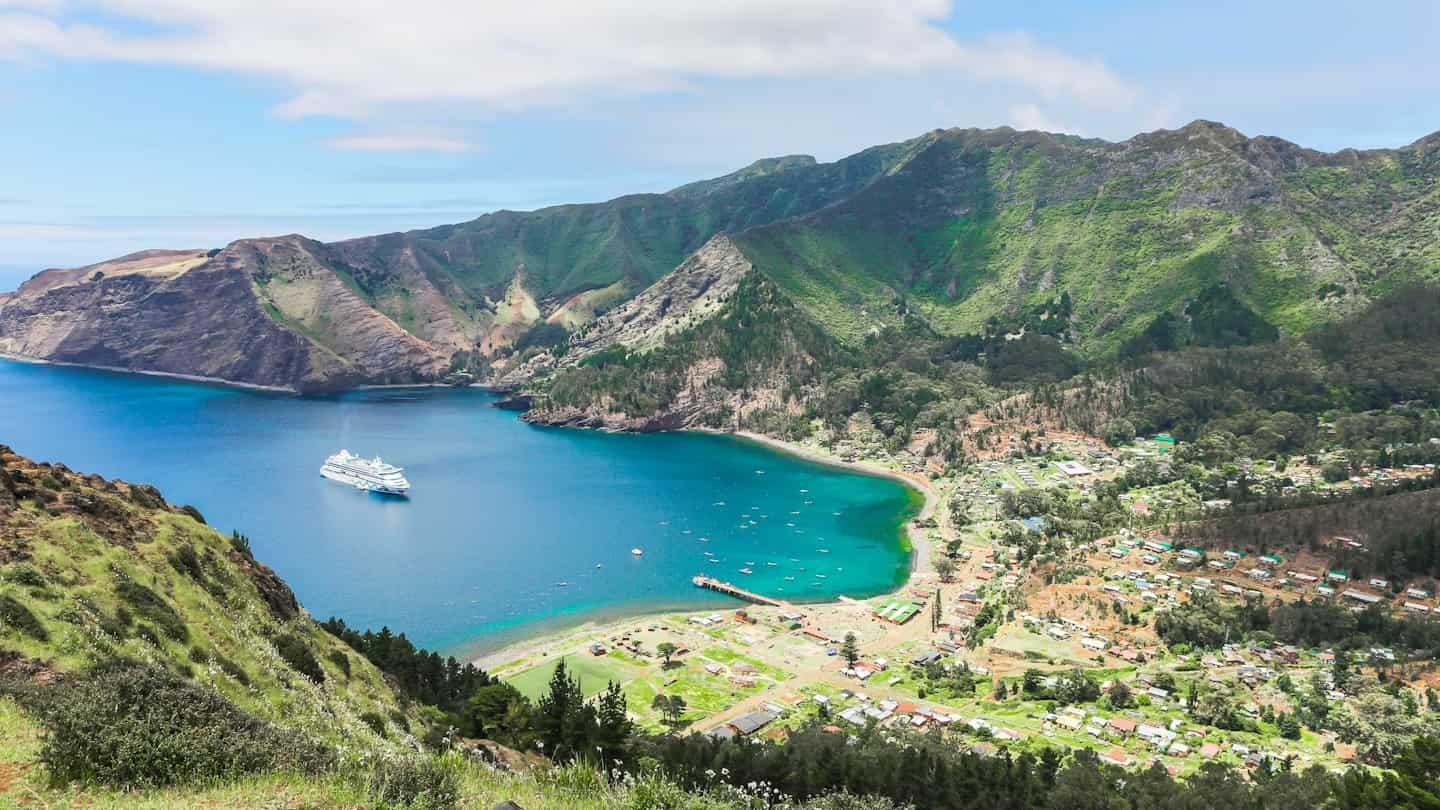
Robinson Crusoe Island is one of the most remote and captivating destinations in the world — a tiny volcanic outpost in the South Pacific, roughly 667 kilometers (414 miles) west of Valparaíso, Chile. Getting there is itself an adventure: the journey involves small charter planes, dramatic airstrips, and a boat ride across open ocean. But for those willing to make the effort, the reward is a place of extraordinary beauty, endemic wildlife, and living legend.
What Is Robinson Crusoe Island?
Robinson Crusoe Island — officially known as Isla Róbinson Crusoe — is part of the Juan Fernández Archipelago, an isolated Chilean territory declared both a National Park and a UNESCO World Biosphere Reserve. The island gained international fame because it was here that the Scottish sailor Alexander Selkirk was marooned for over four years between 1704 and 1709. His survival story later inspired Daniel Defoe’s classic novel Robinson Crusoe.
Today, the island is home to a permanent population of roughly 1,000 people, concentrated in the small fishing town of San Juan Bautista. Its extraordinary isolation has made it a haven for endemic species — over 60% of native plant species found here exist nowhere else on Earth, earning it comparisons to the Galápagos Islands.
The Only Way In: Flying from Santiago
There are no direct international flights to Robinson Crusoe Island. All flights depart exclusively from Santiago’s Comodoro Arturo Merino Benítez International Airport (SCL), making Santiago your mandatory gateway. International travelers coming from Lima, Buenos Aires, Miami, or anywhere else in the world must first fly into Santiago before proceeding to the island.
The good news is that Santiago is extremely well connected globally. LATAM Airlines, JetSmart, Sky Airline, Aerolíneas Argentinas, American Airlines, Delta, and many other carriers operate regular routes into SCL. From Lima specifically, round-trip fares to Santiago can be found from as low as $177 USD.
The Santiago–Robinson Crusoe Flight
This is where the journey becomes truly unique. The flight from Santiago to Robinson Crusoe Island is operated on small eight-seat twinjets — not standard commercial aircraft — and it lands on one of the most intimidating airstrips in South America.
The Airlines
Only two airlines offer commercial passenger flights on this route:
- Aerocardal — one of the main operators serving the route
- Aerolíneas ATA — the other commercial carrier on the route
- Aerolassa — operates charter flights for groups or private travelers
These are not airlines you’ll find on major booking platforms like Expedia or Google Flights. You must contact them directly through their websites or through a local Chilean travel agency to book seats.
Flight Details
- Departure city: Santiago (SCL)
- Destination: Robinson Crusoe Aerodrome (ICAO: SCRG, also referred to as Aeródromo El Libertador)
- Flight duration: Approximately 2 hours 30 minutes
- Aircraft capacity: Around 6–8 passengers plus 2 pilots
- Flight frequency: Typically 2–3 flights per week, with no commercial flights during winter months (June to August)
- Round-trip cost: Approximately US$1,000–$1,200 per person (up to CH$950,000)
Given the tiny aircraft and limited seats, booking well in advance is absolutely essential, especially during the October–March peak season.
The Aerodrome and Boat Transfer
Landing at Robinson Crusoe Island is not for the faint of heart. The aerodrome features a short, narrow airstrip that requires calm weather and clear visibility. Flight cancellations due to wind and bad weather are common — experienced travelers always build buffer days into their itineraries on both ends of the trip.
Once you land at the aerodrome, your journey is not over. The airstrip is located 45 minutes by boat from San Juan Bautista, the island’s only town. A boat transfer is included or arranged as part of your arrival. For the adventurous, Lonely Planet recommends an alternative: skip the boat and hike the 17 km trail between the aerodrome and town with a local guide, passing through wind deserts, bushy plains, and fern-filled forests over about five hours.
Step-by-Step: How to Plan Your Flight
- Fly to Santiago — Book an international or domestic flight to Comodoro Arturo Merino Benítez International Airport (SCL).
- Contact Aerocardal or Aerolíneas ATA — Visit their websites directly or contact a Chilean travel agency. Seat availability is extremely limited.
- Book your round-trip island flight — Budget approximately US$1,000 for the round-trip fare.
- Plan your dates around the flight schedule — With only 2–3 weekly departures, you must stay a minimum of 5–7 days on the island.
- Prepare for weather delays — Always add 1–2 buffer days before your return international flight from Santiago.
- Pack within the luggage limit — Flights typically allow only 10 kg (22 lbs) of total luggage. Pack layers, rain gear, a windbreaker, swimwear, and sunscreen.
When to Fly
The best time to fly to Robinson Crusoe Island is between October and March, which is peak tourist season and coincides with warmer water temperatures (up to 21°C/70°F) ideal for diving and snorkeling. This is also the prime fishing season, when the island’s famous rock lobster and golden crab are at their most abundant.
Early February is particularly festive, coinciding with the annual Rodeo de Villagra, when the entire community gathers for a traditional celebration. Whale watching peaks during the shoulder seasons (September–October and March–April).
Avoid planning your trip in winter (June–August): commercial flights are suspended, weather is harsh, and many island activities become unavailable.
Budget Breakdown
Robinson Crusoe Island is not a cheap destination, primarily because of the flight cost. Here is a realistic budget for a 7-day trip:
| Expense | Estimated Cost (USD) |
|---|---|
| Round-trip flight (Santiago–island) | ~$1,000–$1,200 |
| International flight to Santiago (from Lima) | ~$177–$300 |
| Budget accommodation (per person/night) | ~$53/night |
| Higher-end accommodation (per night) | ~$267/night |
| Seafood dinner | ~$10–$16 |
| National Park entrance | ~$11 |
| Guided excursions | from ~$27 |
| Two-tank scuba dive | ~$101 |
There are no banks or ATMs on the island. Bring plenty of Chilean pesos in cash before boarding your flight in Santiago, as many establishments do not accept credit cards.
What to Do Once You Arrive
The journey is demanding, but what awaits makes every peso worthwhile:
- Hike to Mirador de Selkirk — A 2.5 km trail above San Juan Bautista leads to the viewpoint where Alexander Selkirk once scanned the ocean for rescue ships
- Dive or snorkel in Bahía Cumberland — The Juan Fernández marine ecosystem holds 2.3 tons of fish per hectare, and you can swim alongside friendly fur seals
- Explore Parque Nacional Archipiélago de Juan Fernández — The park covers the entire island outside of town, offering four half-day solo hikes and longer guided treks
- Visit the Dresden wreck — The sunken WWI German cruiser lies in Bahía Cumberland, an extraordinary dive site
- Eat at local restaurants — Try the pulpopleto (octopus sandwich), crab empanadas, and fresh lobster platters
Responsible Travel Tips
Robinson Crusoe Island is fragile. Invasive species — including cats, coatis, cows, and goats — have already devastated endemic flora, and the Juan Fernández firecrown hummingbird has declined from 10,000 individuals in the 1970s to fewer than 400 today.
Travelers should clean their shoes before boarding the flight to avoid introducing invasive plant seeds. Stick to marked trails, minimize plastic use, and consider supporting conservation organizations like Oikonos and Island Conservation, which work to restore the island’s native ecosystems.
Final Practical Checklist
Before you depart for Robinson Crusoe Island, make sure you have:
- ✅ Round-trip charter flight booked directly with Aerocardal or Aerolíneas ATA
- ✅ Accommodation reserved months in advance (capacity is extremely limited)
- ✅ Sufficient Chilean pesos in cash (no ATMs on the island)
- ✅ Luggage packed within the 10 kg limit
- ✅ Buffer days built into your schedule before your return flight to Santiago
- ✅ Rain gear, layers, and windbreaker for unpredictable weather
- ✅ Shoes cleaned to prevent introduction of invasive species
Robinson Crusoe Island demands patience, planning, and a spirit of adventure from the moment you leave Santiago. But few places on Earth can offer what this remote Pacific island delivers: pristine nature, living history, extraordinary marine life, and the rare satisfaction of arriving somewhere that most people will only ever read about in books.